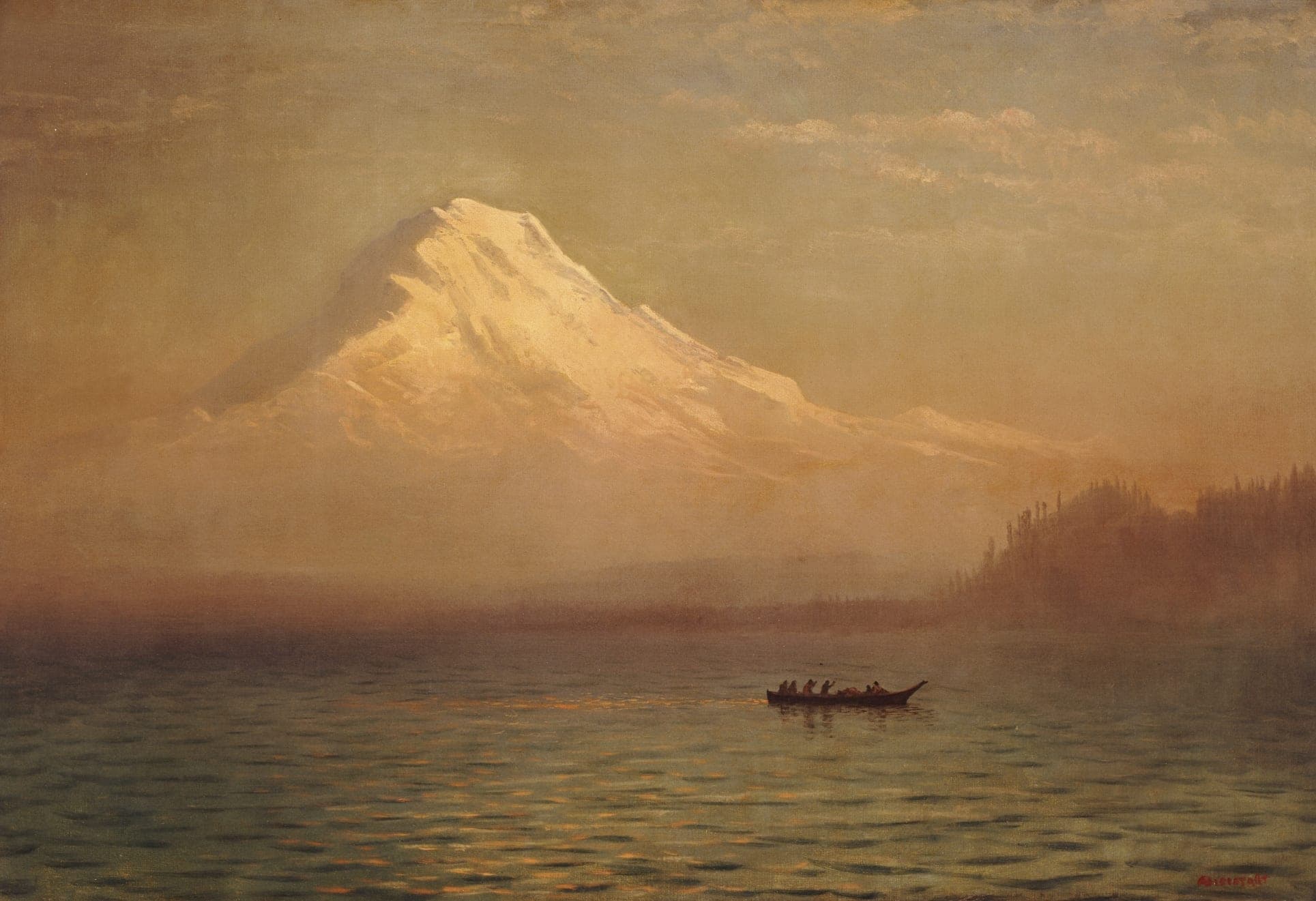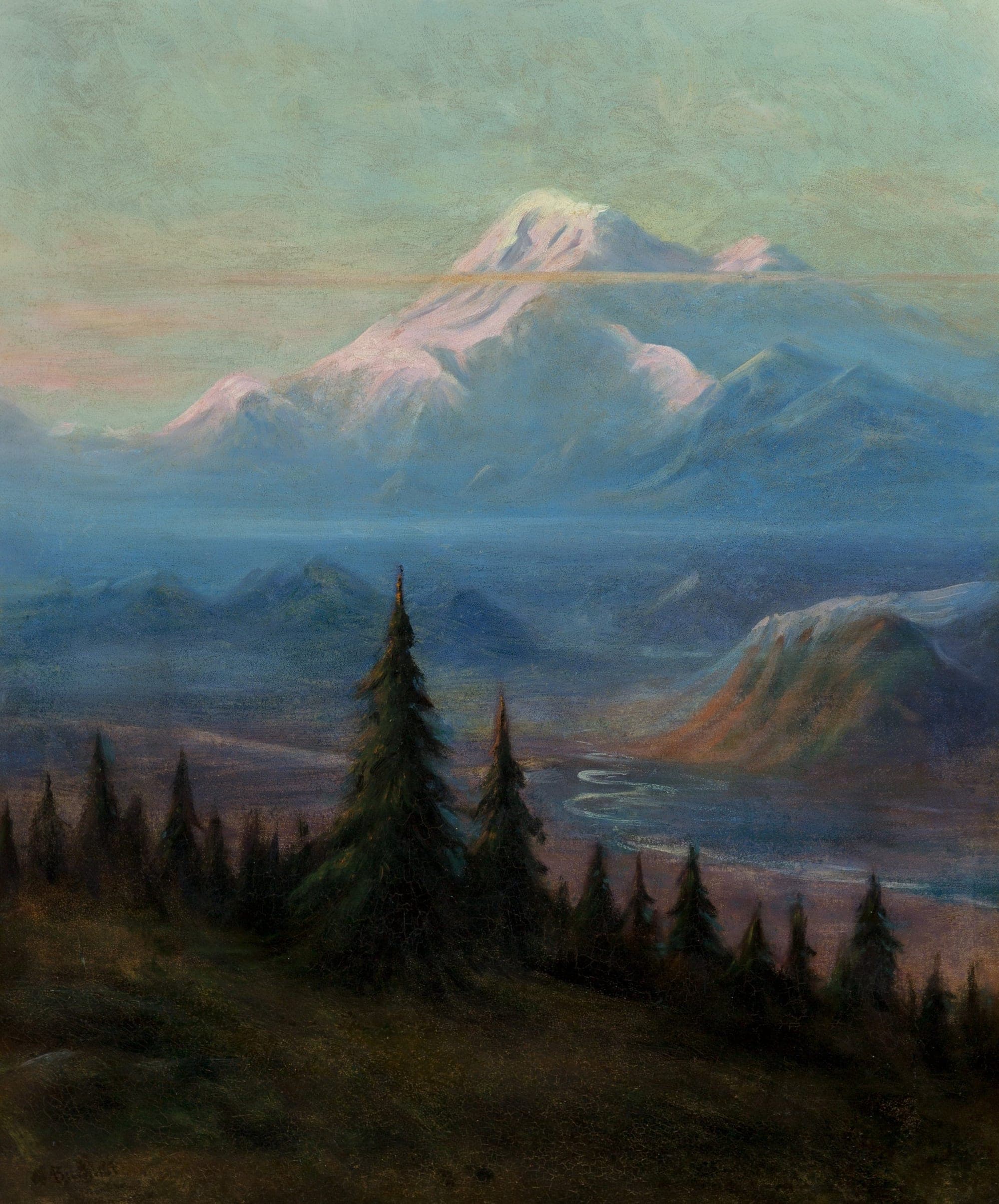
Albert Bierstadt, Mount Adams, Washington, 1875

Festina lente

Spencer Nicolls

Builder · Seattle · Cascadia

spencernicolls [at] gmailLinkedIn ↗GitHub ↗

46°12′N · 121°29′W

Prologue

I build things — products, companies, and hopefully someday, institutions. I live in Seattle, and I read a lot of history to learn what lasts.

I.Career

The Work

I grow things.

By trade I'm a product marketer — lifecycle, data and performance — across AI infrastructure, media, venture and crypto. I like building systems that keep compounding after I've set them up.

  • a year, from lifecycle$1,000,000+

    RunPodLifecycle Marketing Manager · 2025

    Built the lifecycle journeys that lifted usage and conversion across an AI cloud — worth more than a million dollars a year.

  • subscribers1M+

    Savage Ventures · VICEEmail Marketing Manager · 2023 – 24

    Ran email for Savage Ventures and its brands — VICE, Munchies and Motherboard among them: 1M+ active subscribers, 5M+ site visits a month, and operating costs cut by 75%.

  • crypto portfolio$40M+

    Kosei AdvisorsAssociate · 2022 – 23

    Managed a $40M+ digital-asset portfolio through a bear market — launched its staking program and grew its value.

  • UW Buerk Center startup competitionWinner

    Med IDCo-founder · 2020

    Co-founded a privacy-first COVID-19 contact-tracing nonprofit, and won the University of Washington's Buerk Center startup competition.

  1. 2026 —Soda RoadFounder
  2. 2026 —PaleBlueDot AISenior Operations Manager
  3. 2025 – 26Sinclair DigitalNewsletter Technical & Growth Manager
  4. 2025RunPodLifecycle Marketing Manager
  5. 2023 – 24Savage Ventures · VICEEmail Marketing Manager — VICE, Munchies, Motherboard
  6. 2022 – 23Kosei AdvisorsAssociate
  7. 2020Med IDCo-founder
  8. 2017 – 20University of WashingtonFinance & Entrepreneurship · minor in Classics

II.Building with AI

The Craft

I build with AI — and I started small.

My first project, in March 2025, was a copy of Chrome's dinosaur game. Going by the commits it took about eleven minutes, and you can play it right here. Each thing I've built since has been a little more ambitious than the last. The latest is a company.

localhost:3000
Score: 0
High Score: 0
Press SPACE or UP ARROW to startor tap
The first oneDinosaur Game, 15 March 2025. The original took about 11 minutes, going by the commits; this copy is tuned to play smoothly here.Source ↗

Since then

  1. Mar 2025Dinosaur GameThe first one
  2. Mar 2025MadStepStep goals with friends, with money on the line
  3. Jun 2025EmmAIChef Emma, a cooking assistant you could call
  4. Mar 2026MatomeAn ad blocker for email
  5. Apr 2026Newsletter BenchmarksIndustry data for newsletters
  6. Aug 2026Soda RoadNow a company

The showcase

I. Founder · 2026 —

Soda Road

The inbox that talks back.

A modern inbox with a native chat layer and agents built in. Claim an address, bring your Gmail if you want it, sort mail into channels, and let agents draft, triage and reply with your approval.

WebMaciPhoneMCP

II. Founder · 2026

Matome

Ad blocker for your email.

Blocks spam, sales and marketing email in Gmail. It came first — and Soda Road was built on its plumbing.

GmailAI triage

III.Travels

The Road

To know a place, go and stand in it.

Every arc on the globe leaves from Seattle, and every one of them comes home.

Cities
32
Countries
22
Continents
3

North America

Vancouver·Portland·San Francisco·Los Angeles·Austin·Nashville·New York

Europe

Reykjavík·London·Cardiff·Edinburgh·Paris·Brussels·Amsterdam·Berlin·Munich·Copenhagen·Oslo·Stockholm·Riga·Vilnius·Warsaw·Kraków·Kyiv·Bucharest·Budapest·Prague·Vienna

Asia

Singapore·Hong Kong·Beijing·Tokyo

Drag to turn · arcs from Seattle

IV.History

The Archive

History is the only laboratory we have.

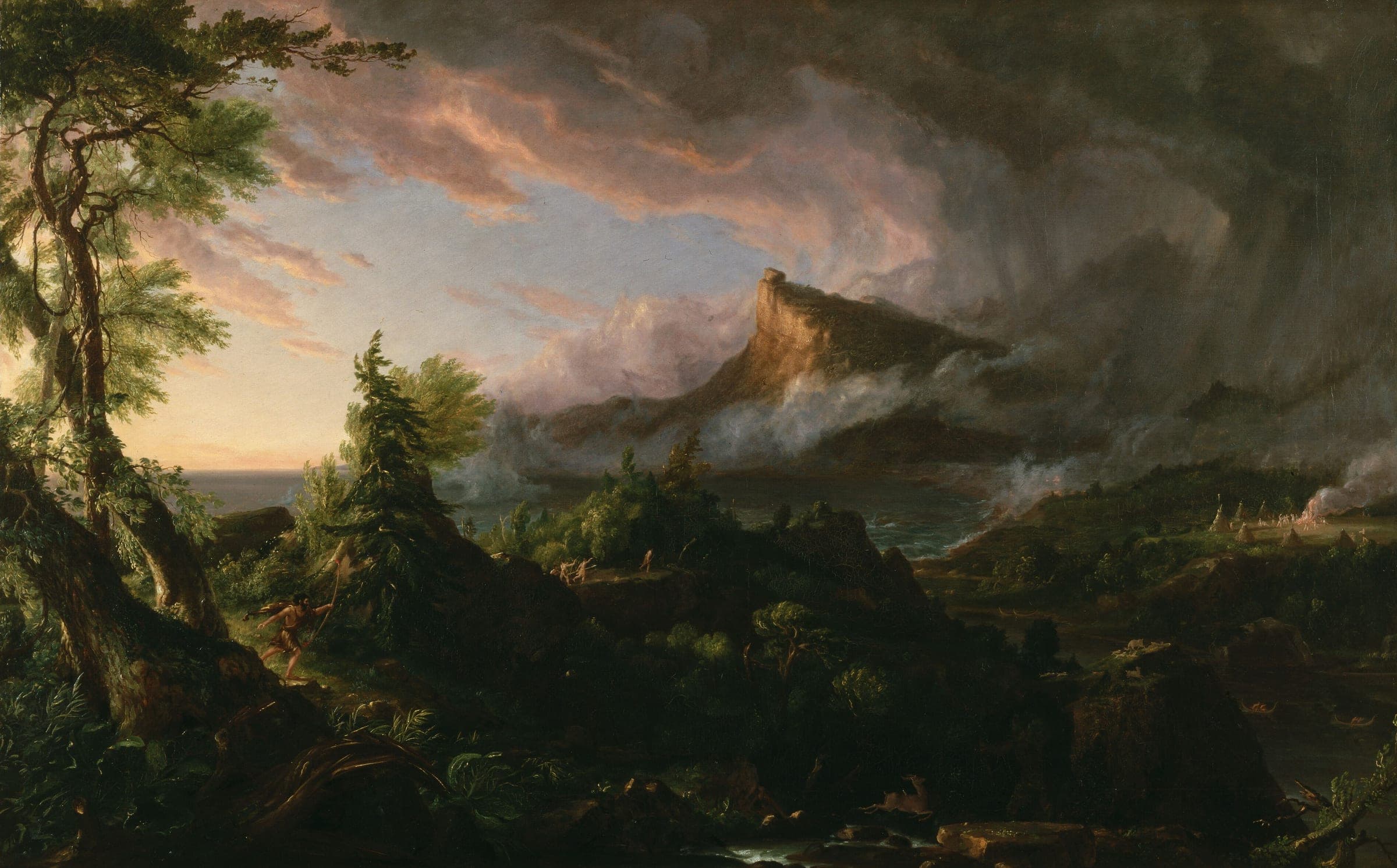
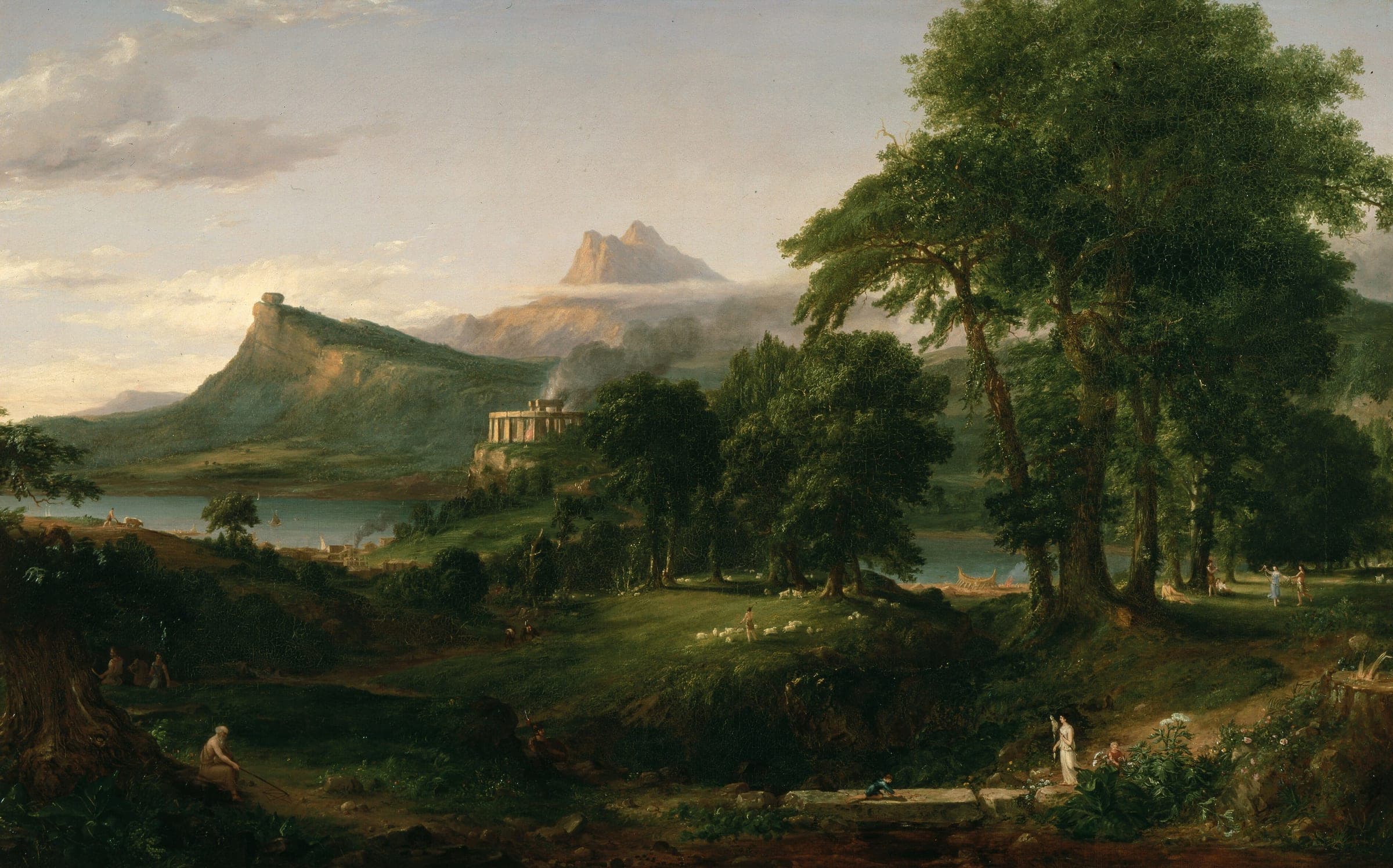
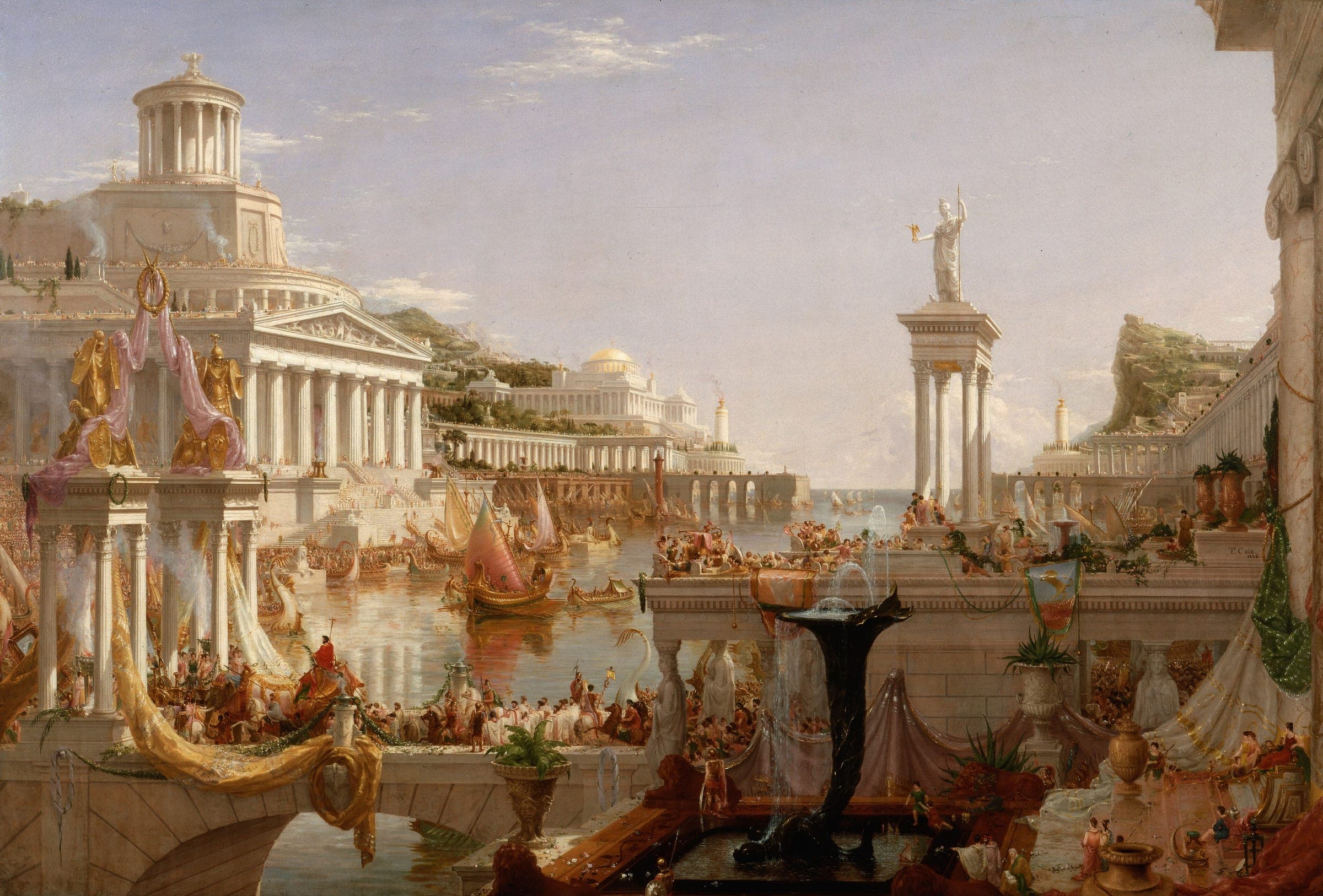
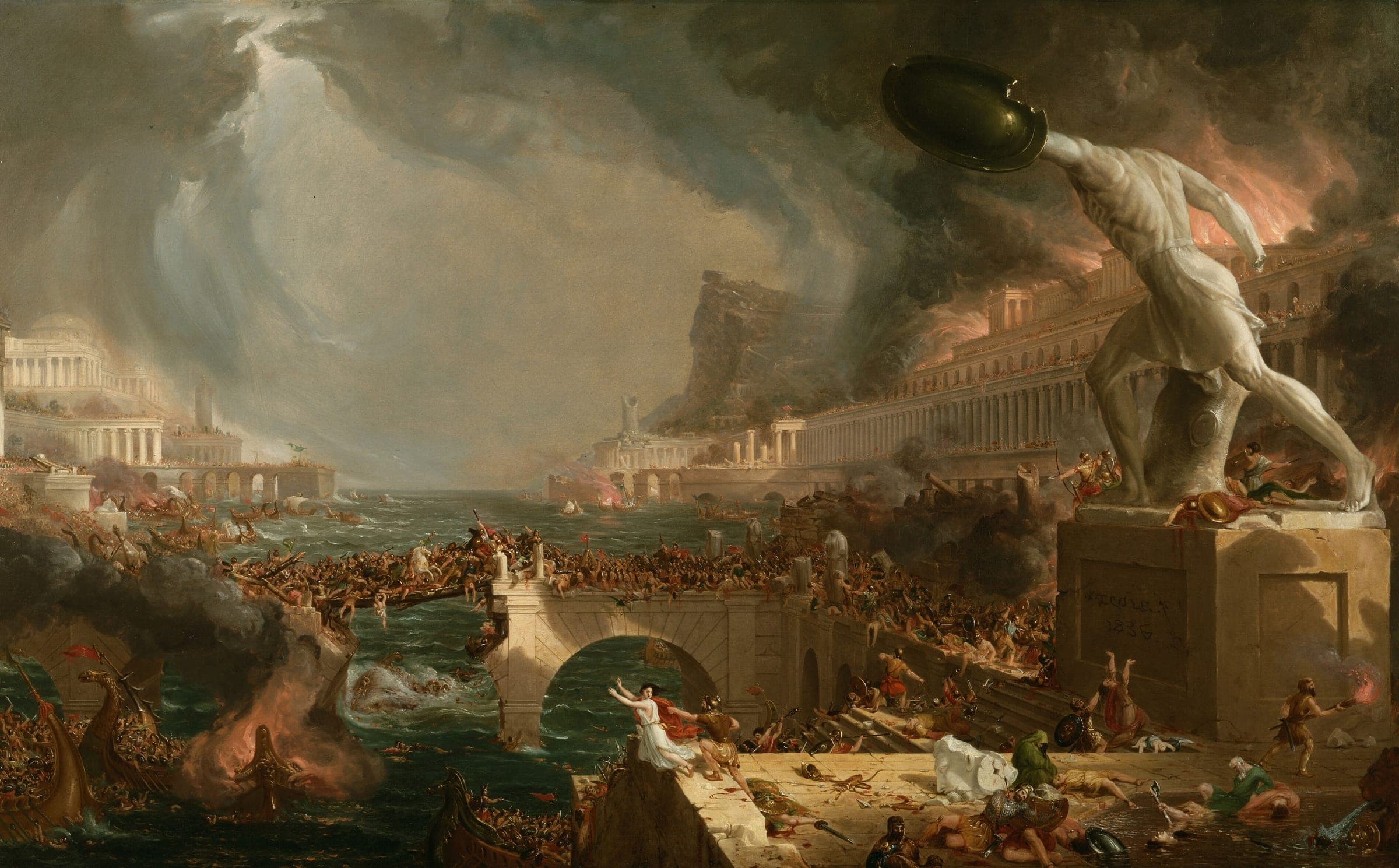
I minored in Classics at UW, and I still read history for structure: how civilizations are founded, how they peak, and how they fall. In the 1830s Thomas Cole painted that whole cycle as five canvases, The Course of Empire.

Thomas Cole, The Course of Empire: The Savage State, 1834
I · Pathos — BirthThe Savage StateIt starts small and hungry, running on passion more than plans. First it has to survive.
Thomas Cole, The Course of Empire: The Arcadian or Pastoral State, 1834
II · Ethos — The heightThe Arcadian StateOnce it's secure, it builds structure: rules, systems, shared ideas. At its best, passion and logic are in balance.
Thomas Cole, The Course of Empire: The Consummation of Empire, 1836
III · Logos — DecadenceThe ConsummationSuccess brings money and comfort, and process starts to matter more than purpose.
Thomas Cole, The Course of Empire: Destruction, 1836
IV · Logos — The fallDestructionComfortable and slow, it loses the passion it started with and can't meet the next challenge.
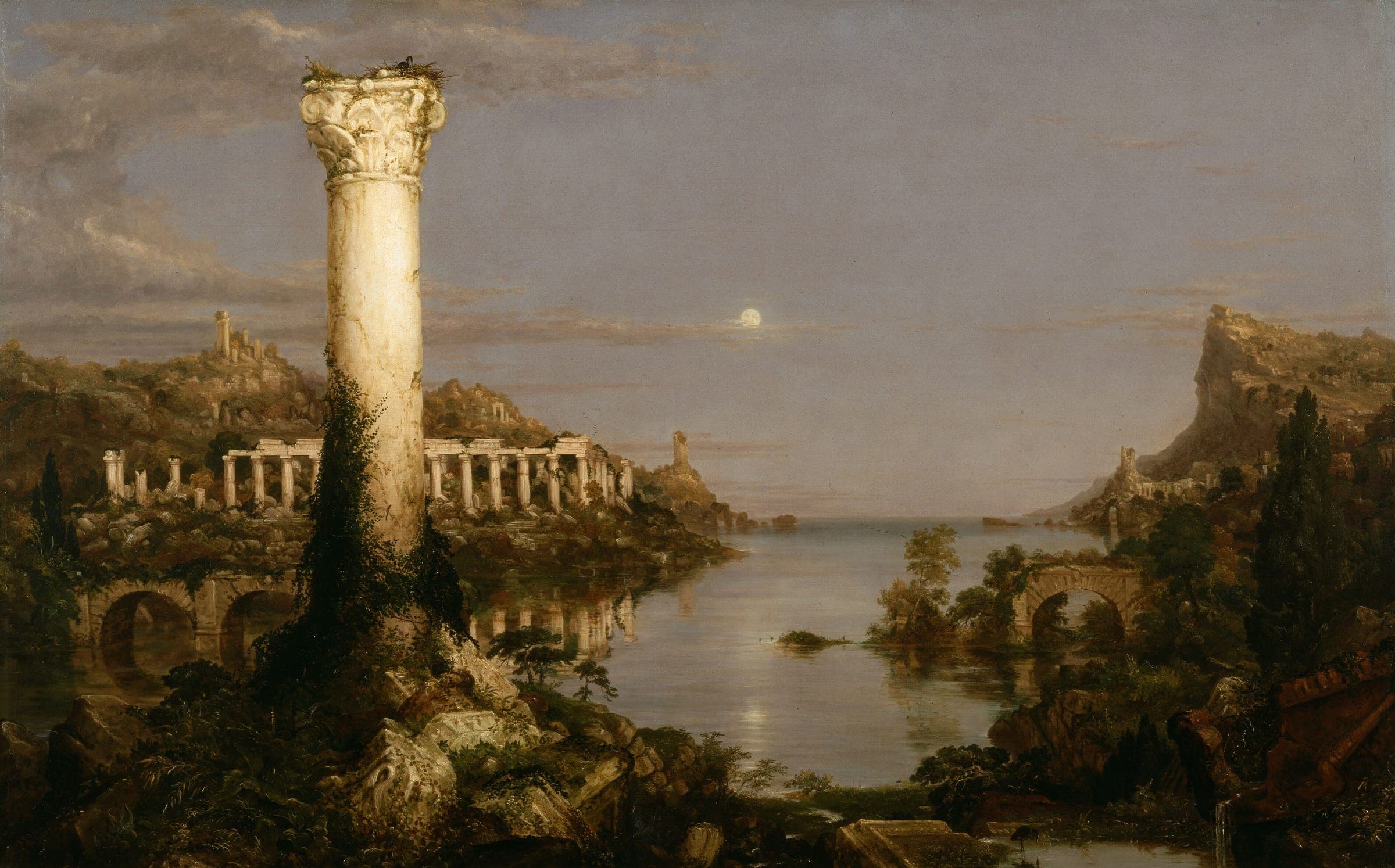
Thomas Cole, The Course of Empire: Desolation, 1836
V · The cycle begins againDesolationSomething newer and hungrier takes its place, and the cycle starts again.
the fall, and againPathosBirthEthosThe heightLogosDecadence

It isn't just civilizations.

I think every organization runs the same cycle — companies, institutions, movements. They start on passion, peak when passion and logic are in balance, and slide when comfort and process take over.

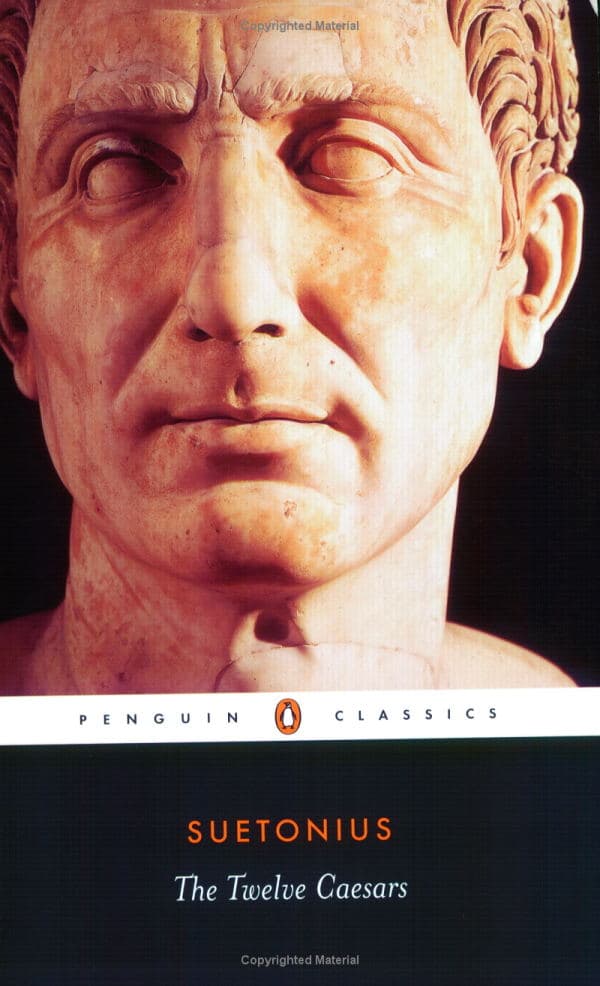
“I found Rome a city of bricks and left it a city of marble.”
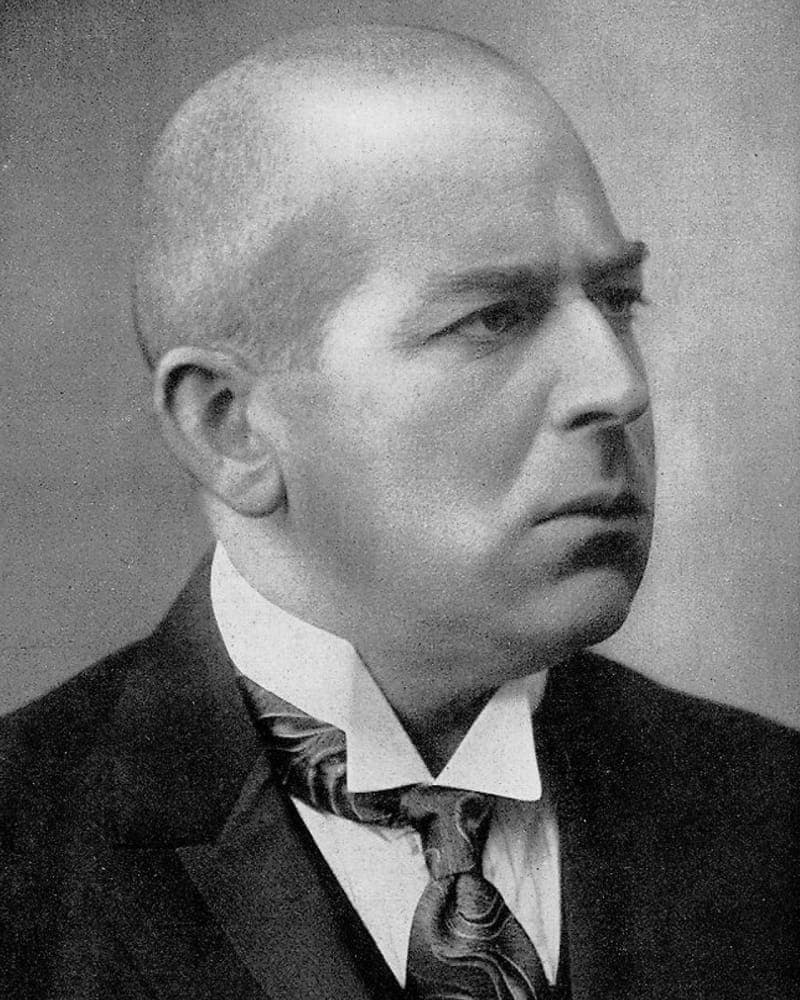
Augustus — as reported by Suetonius, Life of Augustus 28

Influences

The thinkers and leaders who have influenced me most.

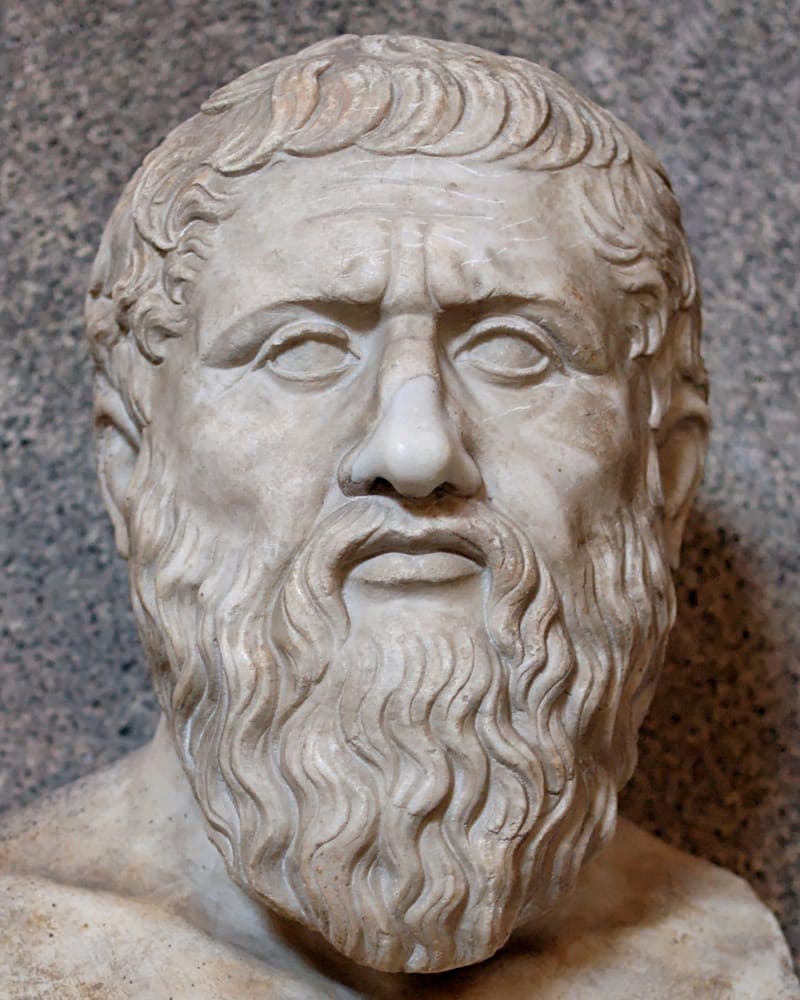
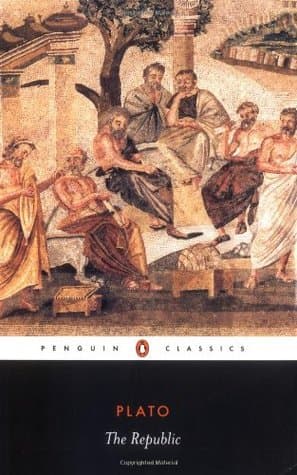
  1. Plato — Roman herm · Vatican Museums

    c. 428 – 348 BC

    Plato

    Traced how each form of government decays into the next — the oldest version of the idea that regimes run in cycles.

    “The excessive increase of anything often causes a reaction in the opposite direction; and this is the case not only in the seasons and in vegetable and animal life, but above all in forms of government.”

    Republic, Book VIII (trans. Jowett)
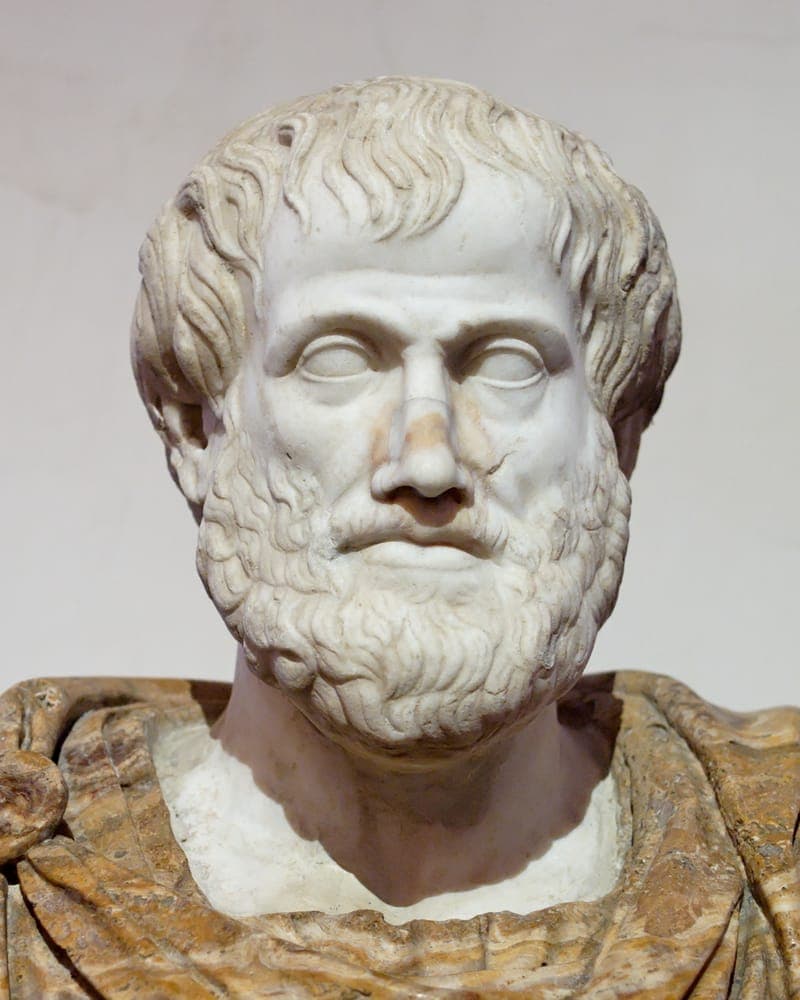
  2. Aristotle — After Lysippos · Palazzo Altemps, Rome

    384 – 322 BC

    Aristotle

    Named the three modes of persuasion — ethos, pathos and logos — and argued that every virtue sits between two vices: too little and too much.

    “It is a mean between two vices, that which depends on excess and that which depends on defect.”

    Nicomachean Ethics, Book II (trans. Ross)
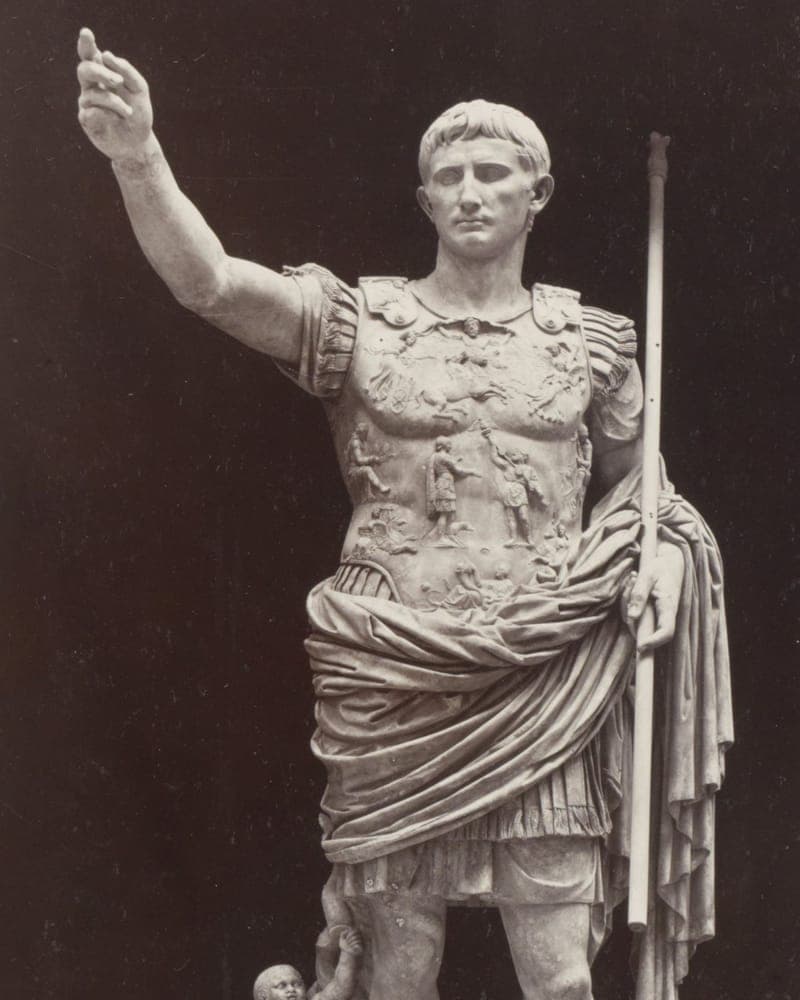
  3. Augustus — Augustus of Prima Porta · Vatican Museums

    63 BC – AD 14

    Augustus

    Ended a century of civil war and built the Roman peace. The greatest statesman who ever lived.

    “Festina lente — make haste slowly.”

    One of his favourite sayings, per Suetonius
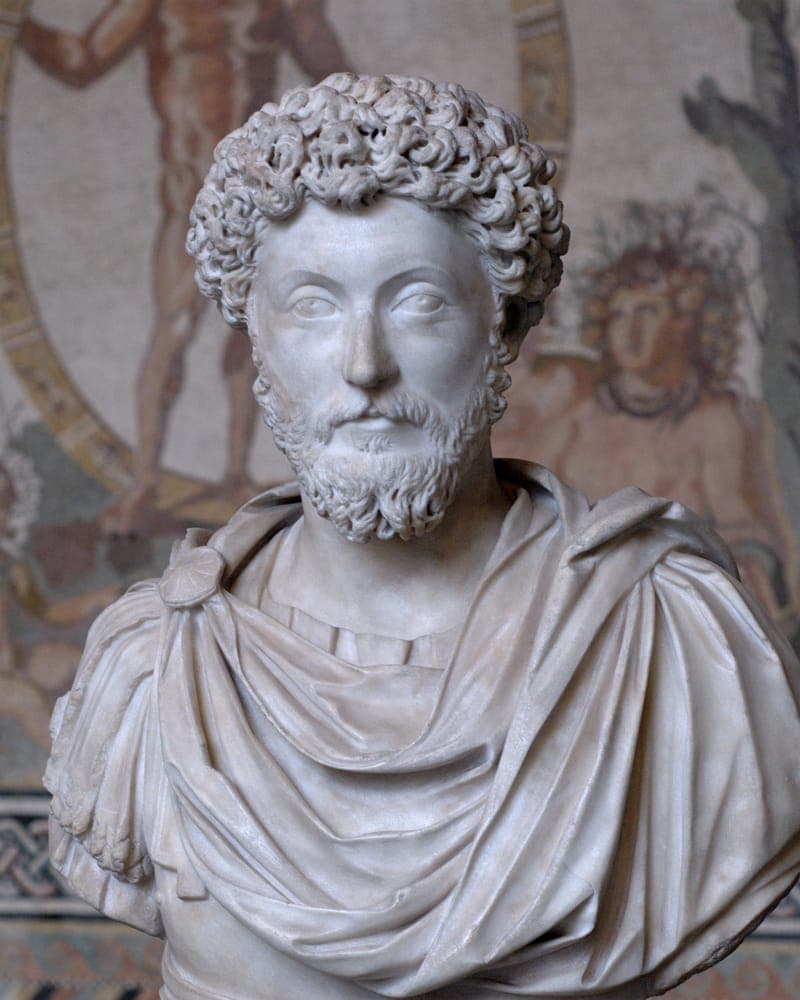
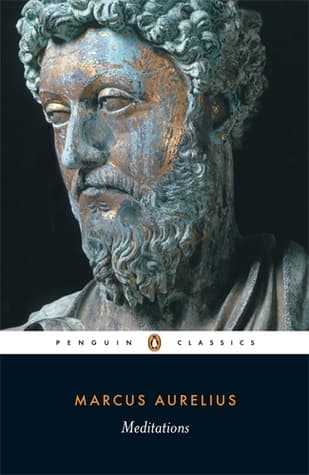
  4. Marcus Aurelius — Marble bust · Glyptothek, Munich

    AD 121 – 180

    Marcus Aurelius

    The last of Rome's “five good emperors”: a Stoic who held absolute power and tried to use it for the people under it.

    “Take care that thou art not made into a Caesar, that thou art not dyed with this dye; for such things happen.”

    Meditations, Book VI (trans. Long)
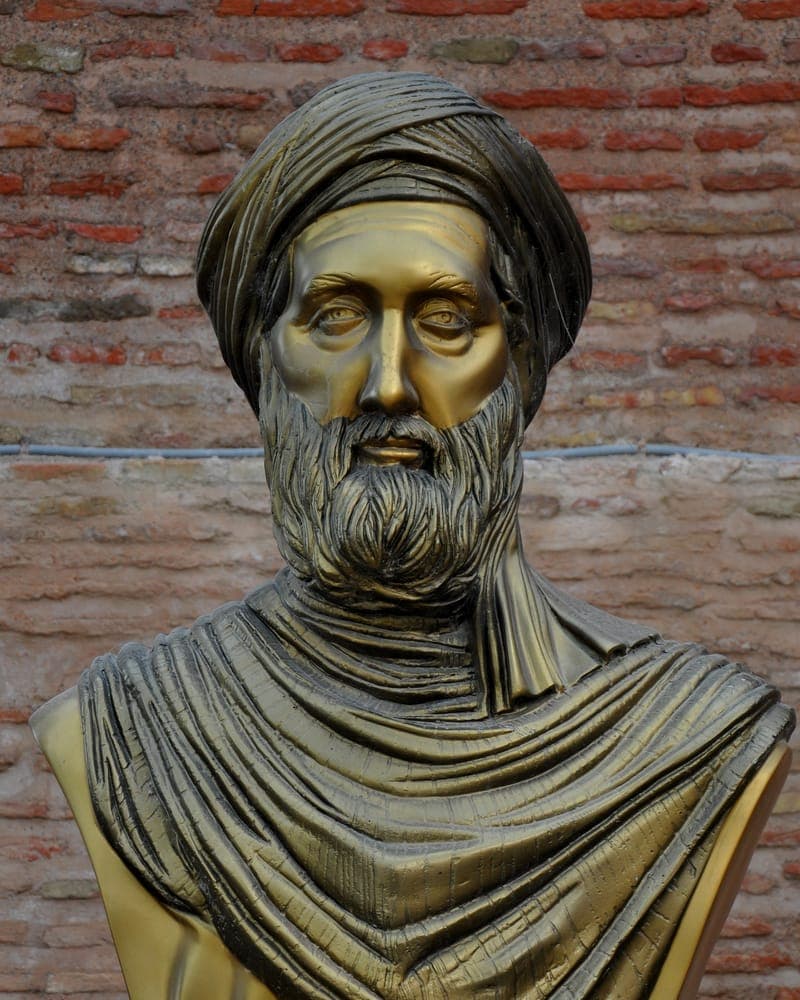
  5. Ibn Khaldun — Bust, Casbah of Béjaïa · photo Reda Kerbush, CC BY-SA 4.0

    1332 – 1406

    Ibn Khaldun

    Worked out why dynasties rise and fall, generation by generation.

    “The past resembles the future more than one drop of water another.”

    Muqaddimah
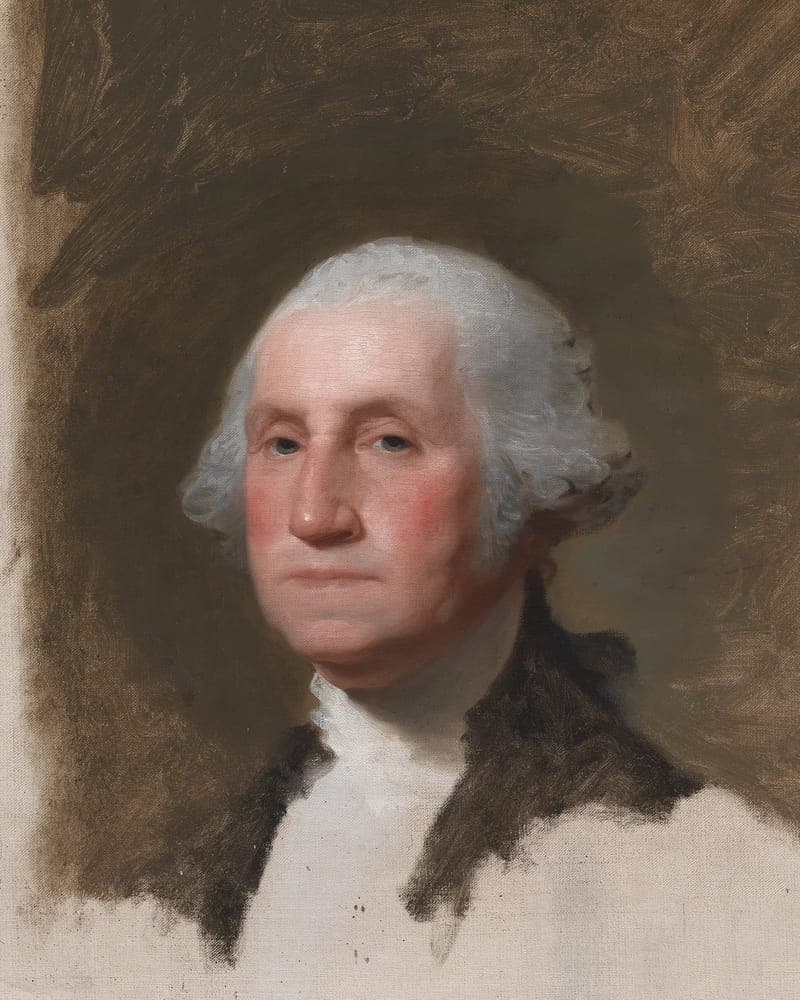
  6. George Washington — Gilbert Stuart, 1796

    1732 – 1799

    George Washington

    The American Cincinnatus. He won the war, handed his command back to Congress and went home to his farm — then stepped down again after two terms as president.

    “Having now finished the work assigned me, I retire from the great theatre of action.”

    Resigning his commission, Annapolis, 1783
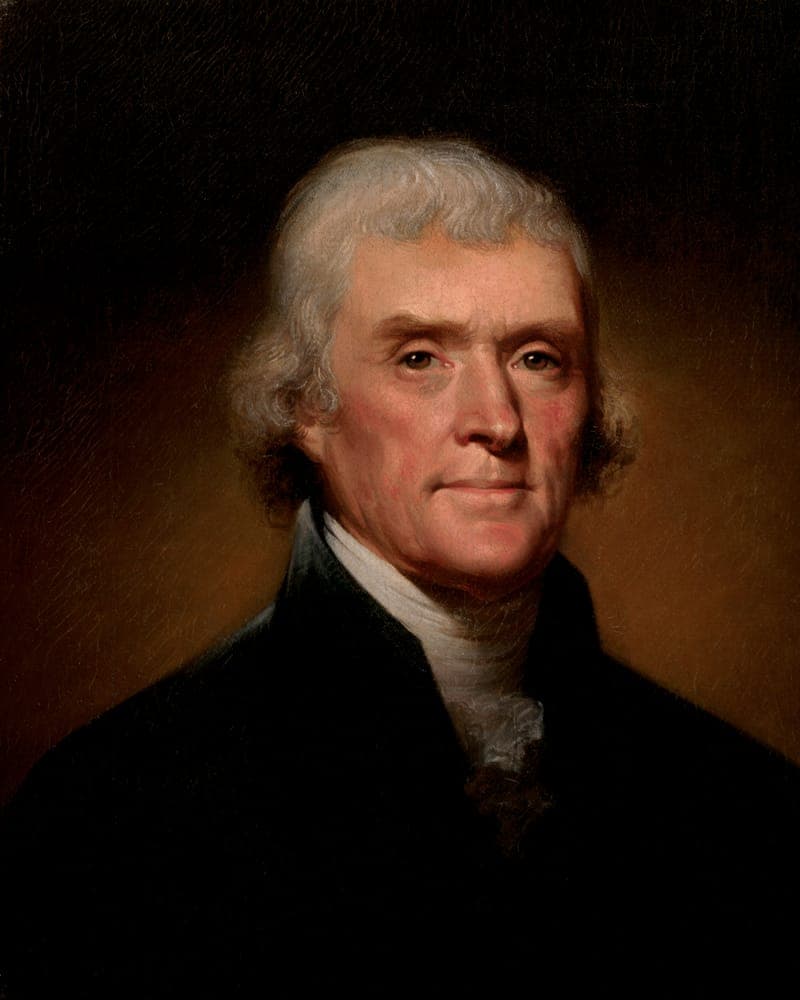
  7. Thomas Jefferson — Rembrandt Peale, 1800

    1743 – 1826

    Thomas Jefferson

    A Renaissance man: he wrote the Declaration of Independence, designed Monticello and founded a university. He also wrote against slavery while enslaving more than six hundred people — and he knew it.

    “Indeed I tremble for my country when I reflect that God is just: that his justice cannot sleep for ever.”

    Notes on the State of Virginia, 1785
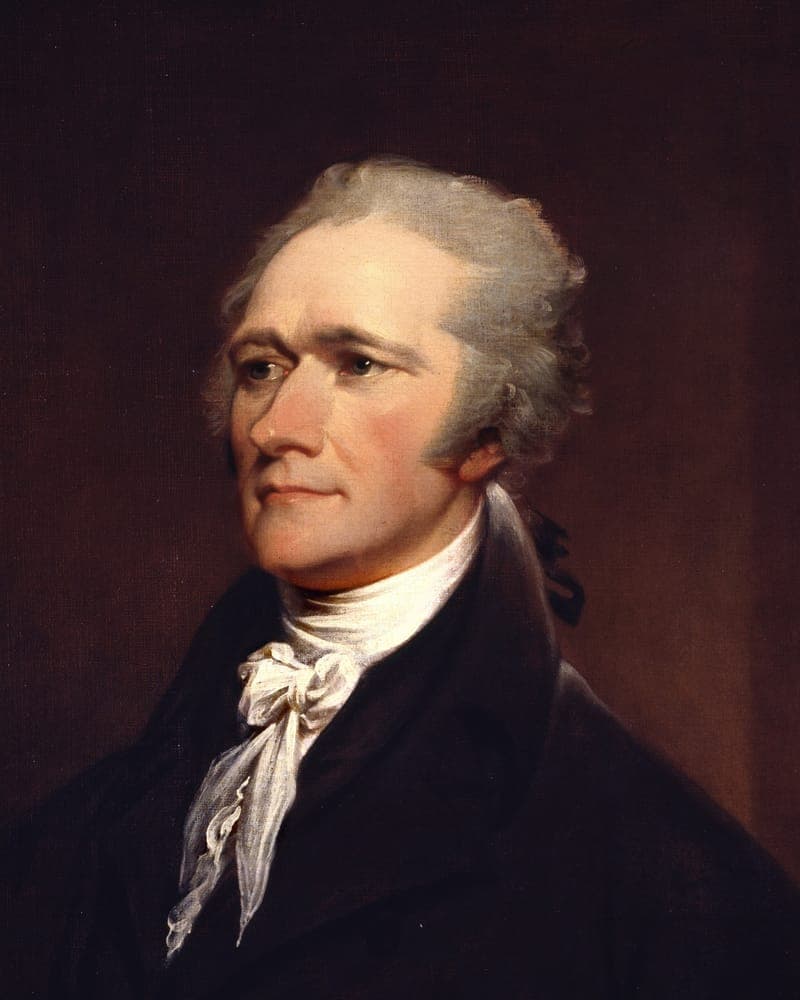
  8. Alexander Hamilton — John Trumbull, 1806

    c. 1755 – 1804

    Alexander Hamilton

    Built the working American government: wrote most of The Federalist, then created its Treasury, its credit and its first national bank.

    “…whether societies of men are really capable or not of establishing good government from reflection and choice, or whether they are forever destined to depend for their political constitutions on accident and force.”

    The Federalist No. 1
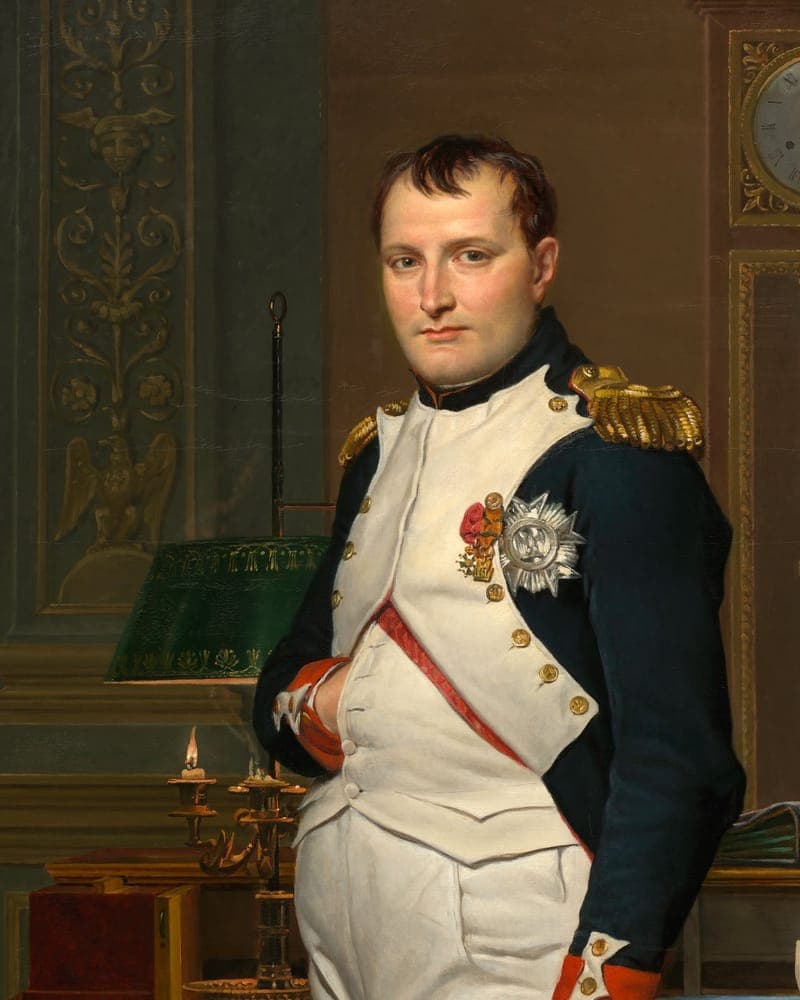
  9. Napoleon — Jacques-Louis David, 1812

    1769 – 1821

    Napoleon

    Won forty battles, and was proudest of a legal code.

    “What nothing will destroy, what will live forever, is my Civil Code.”

    On St Helena, as recorded by Montholon
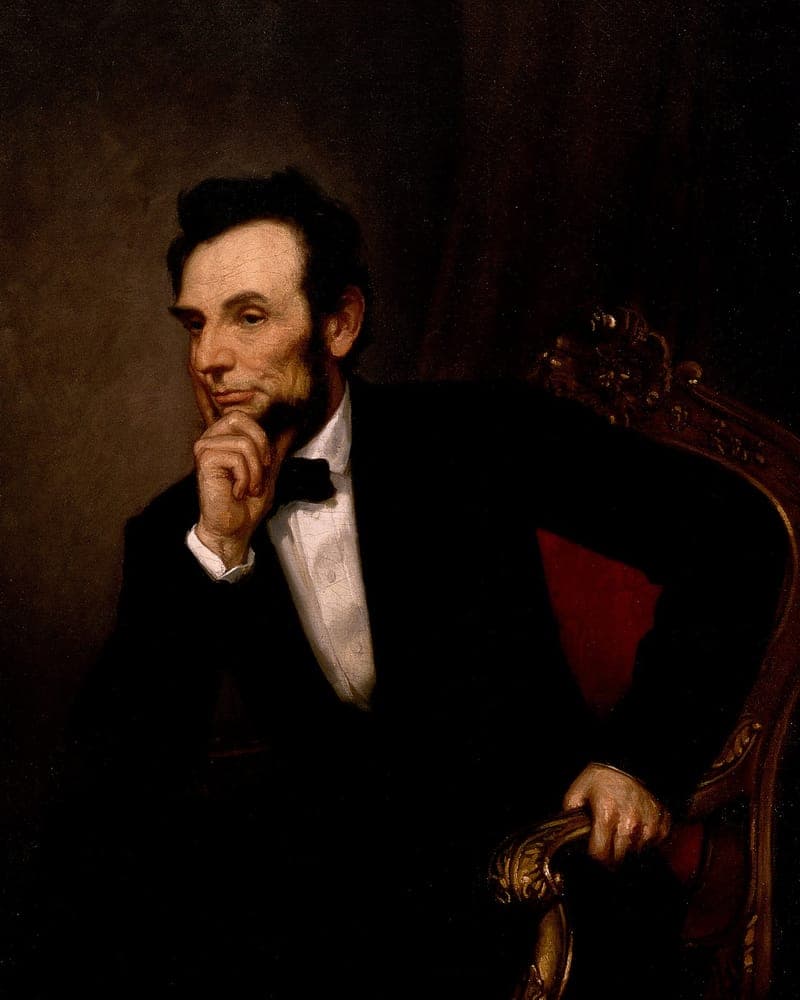
  10. Abraham Lincoln — George P. A. Healy, 1869

    1809 – 1865

    Abraham Lincoln

    A self-taught lawyer from the frontier who held the country together through its worst war and ended slavery.

    “The legitimate object of government, is to do for a community of people, whatever they need to have done, but can not do, at all, or can not, so well do, for themselves.”

    Fragment on Government, c. 1854
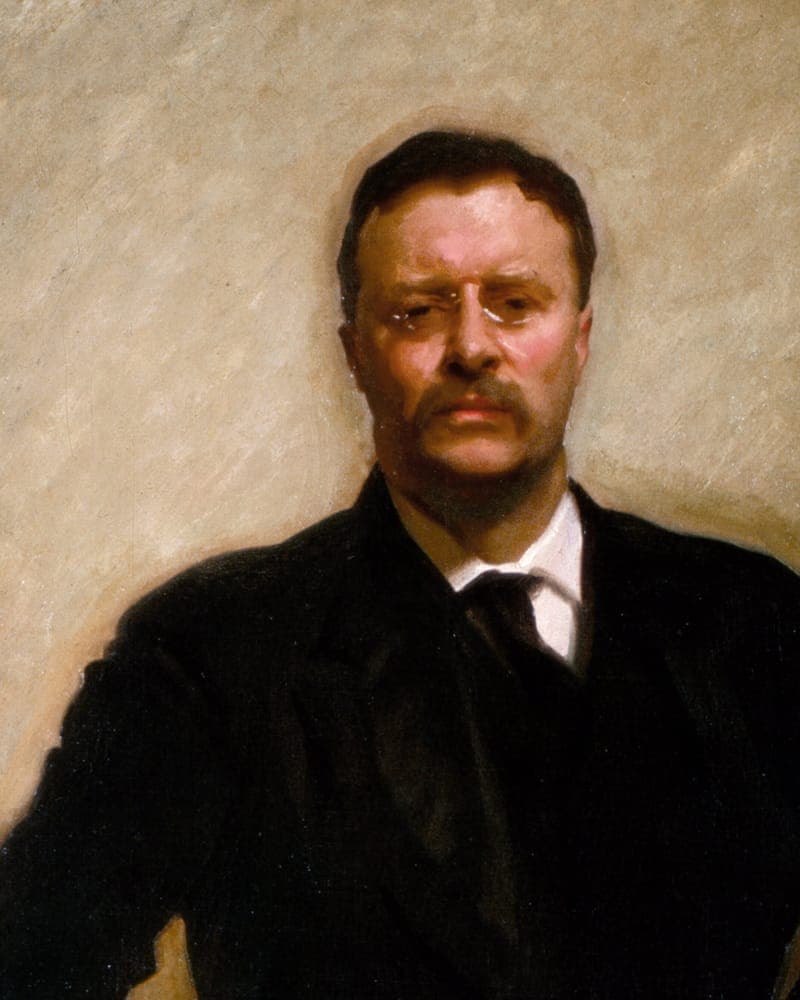
  11. Theodore Roosevelt — John Singer Sargent, 1903

    1858 – 1919

    Theodore Roosevelt

    Trust-buster, conservationist, rancher, soldier and explorer. He broke up monopolies, gave workers and consumers a Square Deal, protected some 230 million acres of public land and started the Panama Canal — then, after the White House, went down an uncharted river in the Amazon.

    “The nation behaves well if it treats its natural resources as assets which it must turn over to the next generation increased and not impaired in value.”

    Speech in Denver, 1910
  12. Oswald Spengler — Photograph, 1929

    1880 – 1936

    Oswald Spengler

    Argued that civilizations are born, grow old and die like living things.

    “The Civilization is the inevitable destiny of the Culture.”

    The Decline of the West

V.Home

Cascadia

Between the volcanoes and the sea.

Cascadia is the Pacific Northwest seen as one place: the rainy strip of coast west of the mountains, from Northern California up to Southeast Alaska. It's home. On a clear day it looks like a Song dynasty scroll — tiny people, enormous mountains, water everywhere.

Albert Bierstadt, Sunrise on Mount Tacoma, 19th century
Pl. IISunrise on Mount Tacoma, Albert Bierstadt, 19th century.

Mount Tacoma is an old name for Mount Rainier.

Pacific OceanGulf of AlaskaCoast MountainsShastaCrater LakeHoodAdamsSt. HelensRainierBakerGaribaldiEurekaPortlandSeattleVancouverJuneauCascadiaWest of the crestThe crest200 miConic conformal · Natural Earth 1:10m
Mount Rainier
14,410ft
The Columbia, Rockies to Pacific
1,243mi
Cape Mendocino to Prince William Sound
1,700mi
Of rain a year in the Hoh rain forest
140+in

Interlude

Made to last.

I like things that get better with age — buildings, companies, institutions. The Northwest happens to be full of materials that do.

Labradorite. A feldspar that looks like dark rock until the light catches it. Tilt it and it flashes blue, green and gold.

  • Columbia Plateau

    Basalt

    The dark volcanic rock under much of the Northwest. Hard, heavy and close to permanent.

  • Pseudotsuga menziesii

    Douglas fir

    The great timber tree of the Cascades — straight, strong, and what much of the region was first built from.

  • Weathers to verdigris

    Copper

    Goes up bright and turns green in the rain. The patina protects the metal, so the roof gets better as it ages.

  • Tokeen grey

    Southeast Alaska

    Alaskan marble

    Quarried on the islands off Prince of Wales from 1909, in more colours than you'd expect. The Alaska State Capitol's four columns are Tokeen marble.

    Marble Island

Studies

Places I'd like to build.

Models and renders of the places I want to build one day.

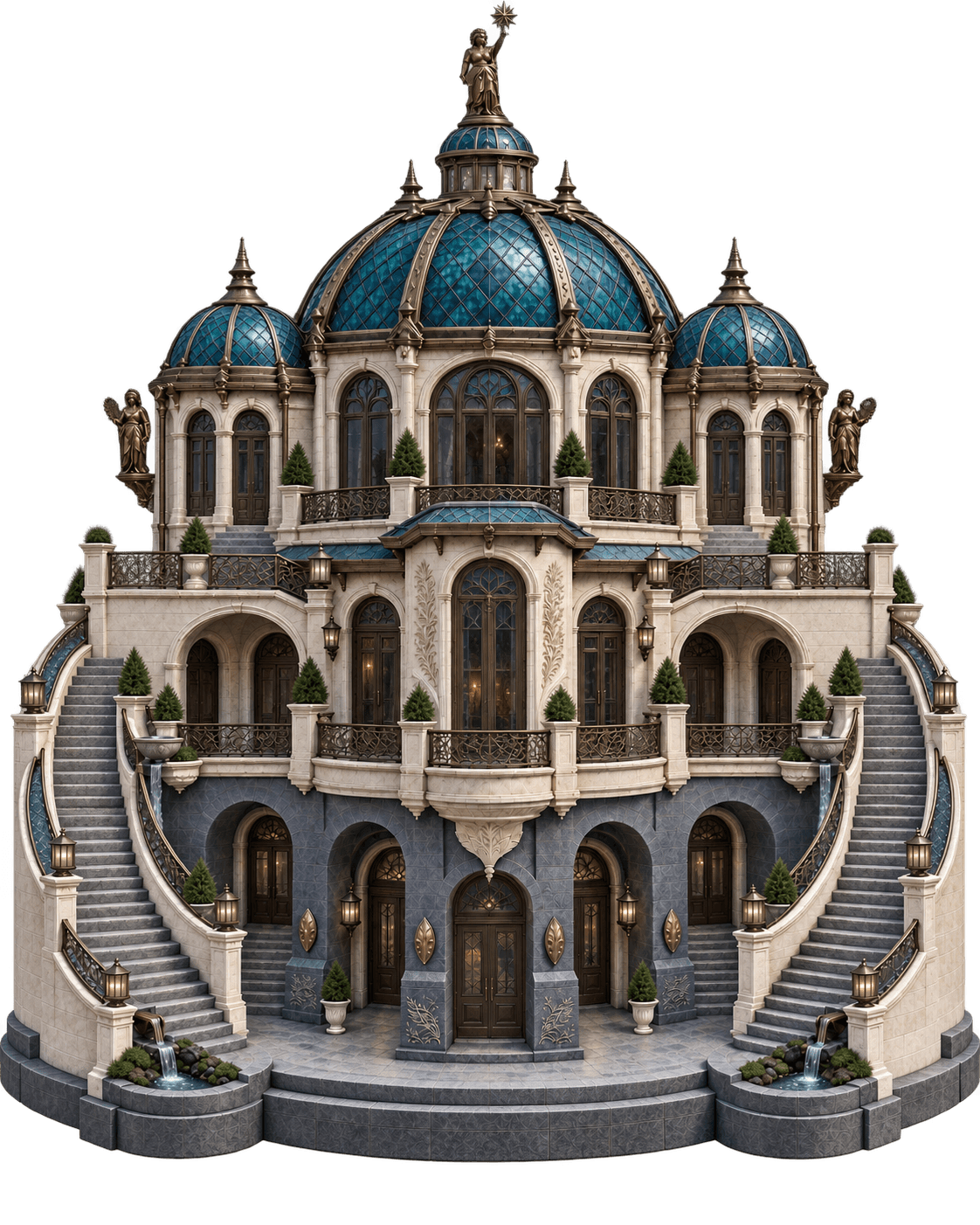
An architectural study

The hall.

Blue domes above cream stone and charcoal marble. Curved stairs, bronze figures and flowing rainwater, shaped by the Pacific Northwest.

The original architectural render.

Model credits
The original studio render of a circular cream-stone hall with blue domes, bronze figures, curved stairs and a charcoal marble base

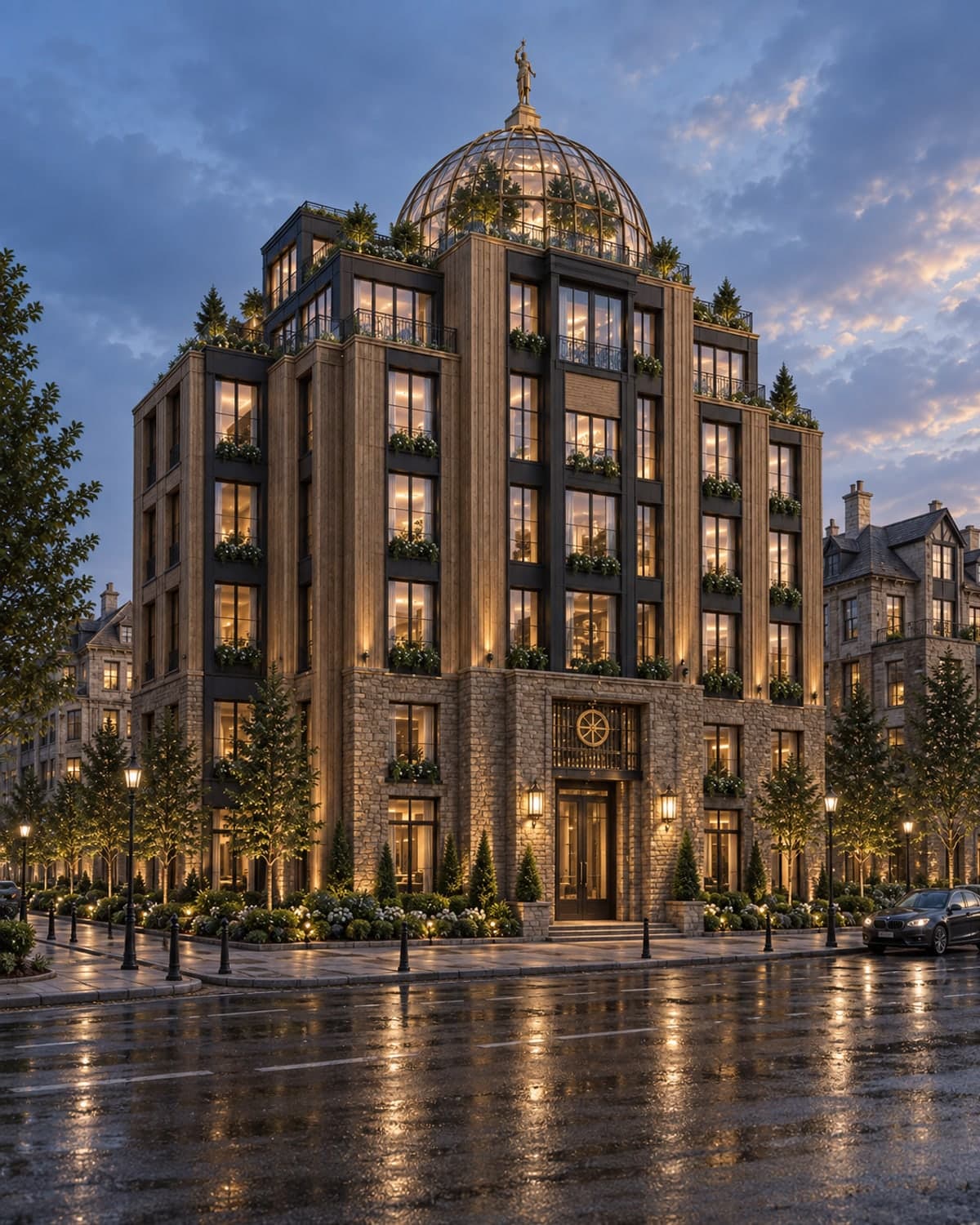
An architectural study

The house.

Cedar above dark masonry, planted terraces and a glass conservatory. A place to live among trees, with a twelve-pointed bronze star above the entrance.

The original architectural render.

Model credits
The original render of a stepped cedar and stone house at dusk, with illuminated rooms, planted terraces and a glass conservatory

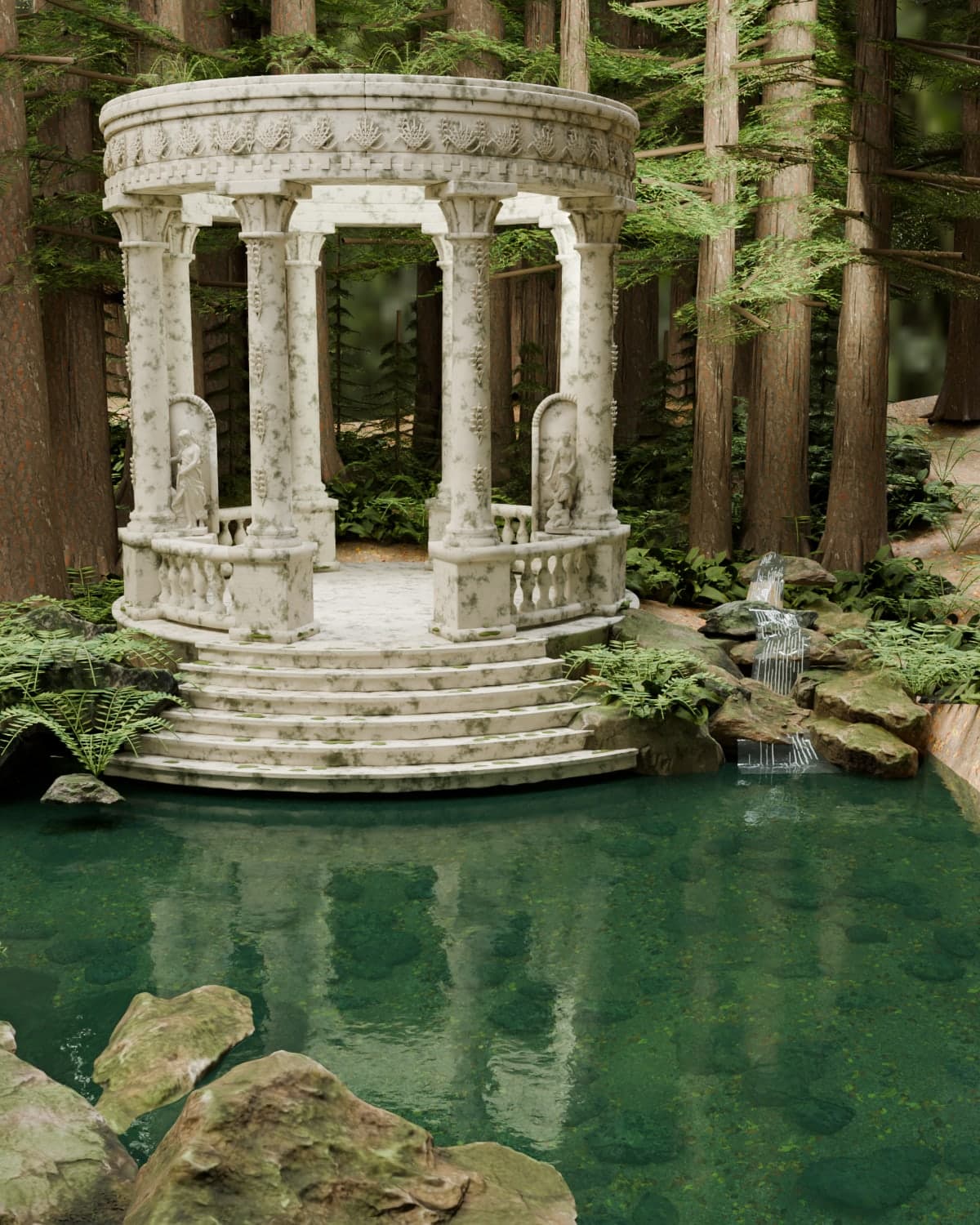
An architectural study

The ruins.

An open stone sanctuary in the cedar forest. Carved columns, moss-covered steps and a spring flowing into a green bathing pool.

The original architectural render.

Model credits
An open circular limestone sanctuary with carved columns, small classical statues and curved steps beside a green forest pool

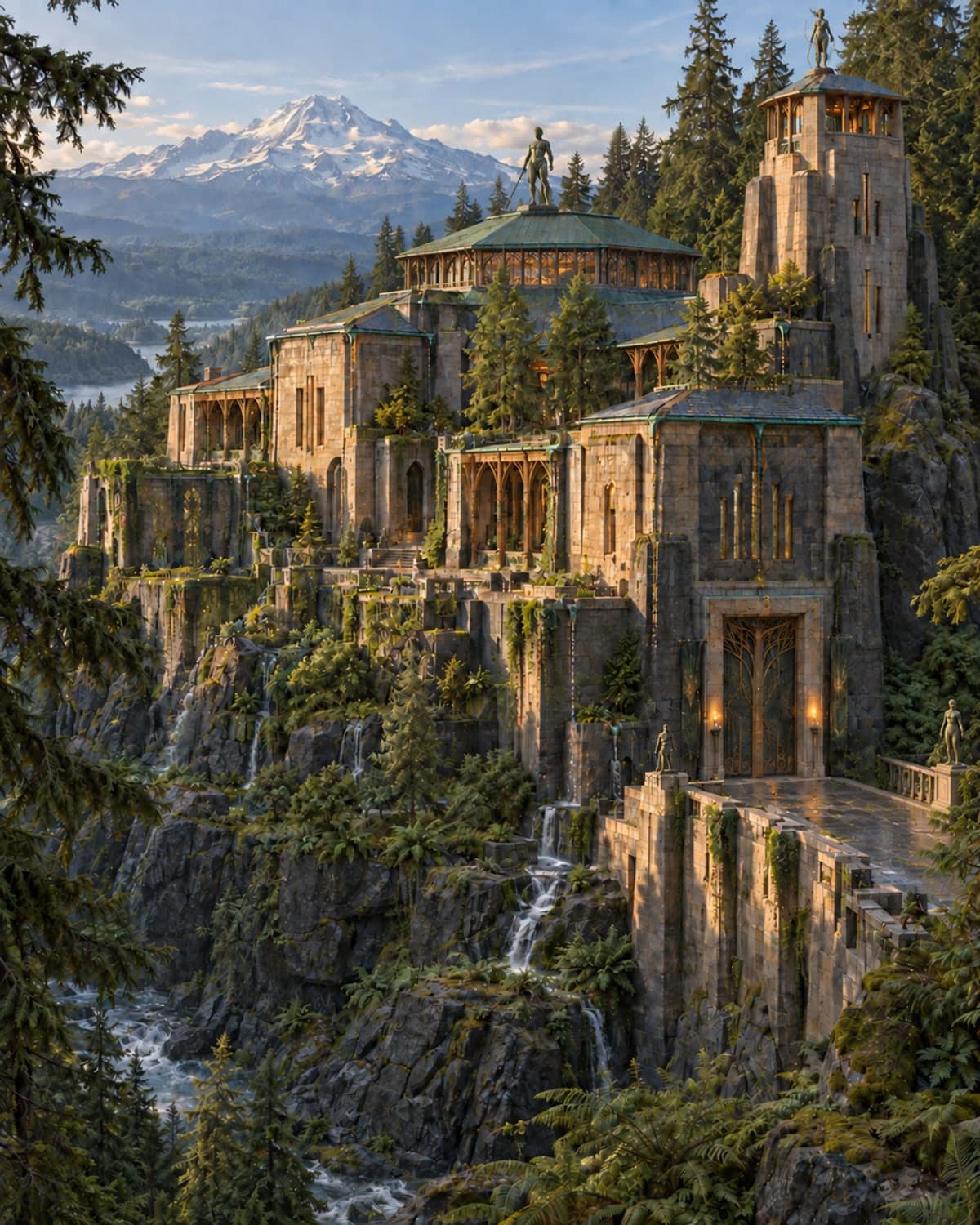
An architectural study

The castle.

A terraced stronghold of basalt, sandstone, cedar and bronze. Forest courts and rainwater channels follow the ridge beneath broad green roofs.

The original architectural render.

Model credits
The original Cascadian castle render: sandstone halls and bronze statues above forest courts, with cascades descending a volcanic ridge and Mount Rainier beyond

VI.What I believe

The Creed

Three ideas I keep coming back to.

I · Cycles

Everything runs in cycles.

Civilizations, companies and movements all go through the same stages — passion, balance, comfort, decline — and then start over. The goal isn't to escape the cycle. It's to make each one end a little higher than the last.

Albert Bierstadt, Puyallup River Valley and Mount Rainier, 19th century
Pl. IIIPuyallup River Valley and Mount Rainier, Albert Bierstadt, 19th century.

II · Arcadia

Geography matters.

Where people live shapes who they become. The land sets the limits and hands out the resources — what grows, what you build with, what you have to defend — and over time it shapes how a place looks, too. On this coast, rain and giant cedars gave the first peoples their plank houses and canoes. I think Cascadia has the best geography anywhere: volcanoes, rain forest, rivers and sea, and the timber, stone and water to build things that last.

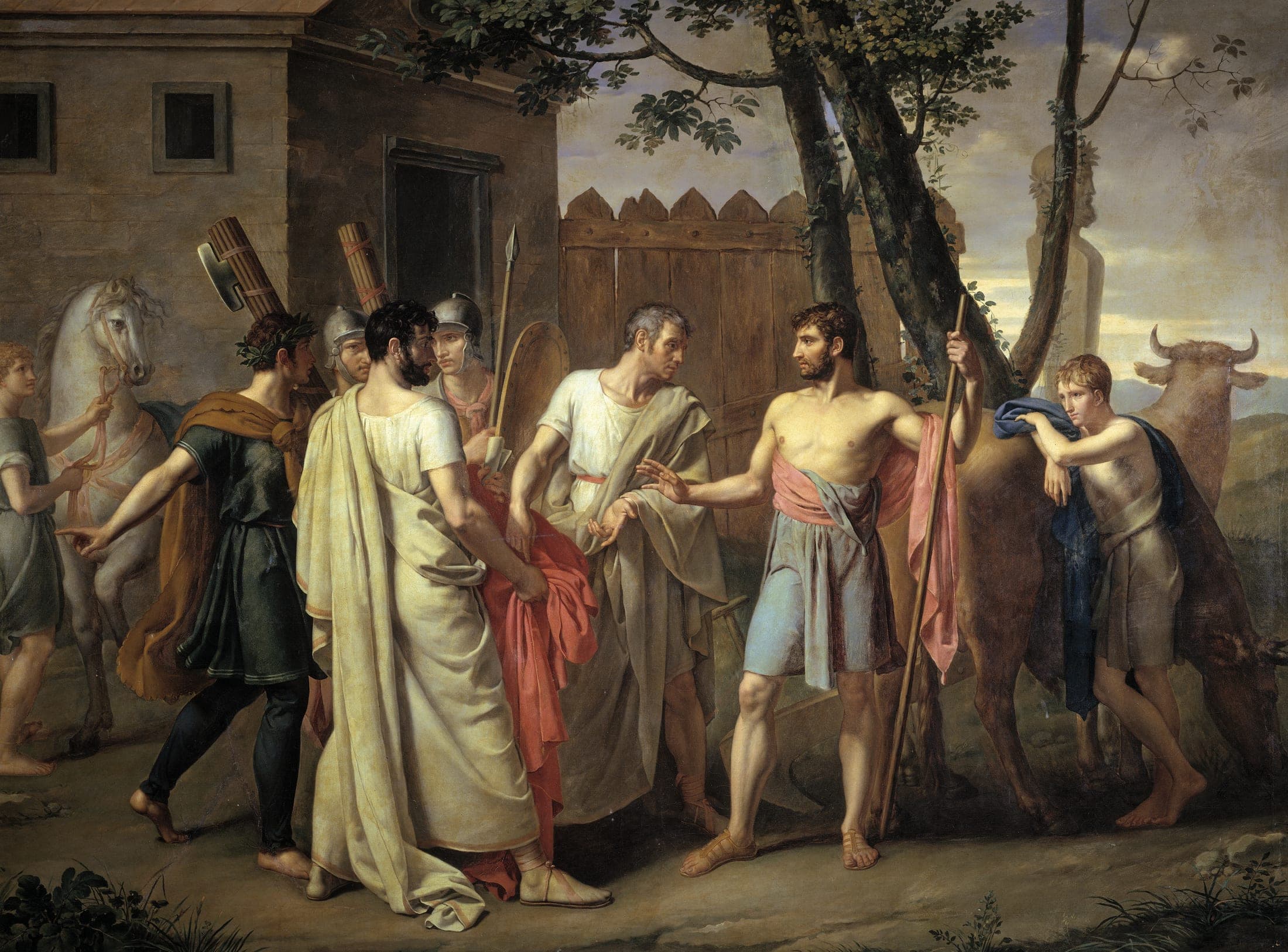
Juan Antonio Ribera, Cincinnatus Leaves the Plough to Dictate Laws to Rome, c. 1806
Pl. IVCincinnatus Leaves the Plough to Dictate Laws to Rome, Juan Antonio Ribera, c. 1806. Museo del Prado

III · The Builder's Republic

A country should build.

I believe in the America of Hamilton, Lincoln and Theodore Roosevelt: a government that builds big things, and leaders who serve and then go home. Cincinnatus was a Roman farmer handed total power to save the city. He saved it, gave the power back after sixteen days, and went back to his plough. Washington did the same.

VII.A few ways to know me

Personality

I’ve always liked
personality quizzes.

Some are thoughtful. Some are just fun. I like seeing which parts fit, and which don’t. Here are a few of mine.

Personality type
INTJ
Enneagram
Type 8
Zodiac
Aquarius
Hogwarts house
Slytherin
My Big Five
Openness77%
77%
Conscientiousness81%
81%
Extraversion40%
40%
Agreeableness44%
44%
Neuroticism10%
10%

Scores from my personality assessments.

A little more magic
Patronus
Fox
Wand
Cherry wood · Dragon core
13 inches · Brittle flexibility

Twelve archetypes · One reflection

04Sage

Sage

You want to understand. You look beneath the obvious explanation and test what you think you know.

Aquarius · Amethyst

Your turn

What
drives you?

Understanding things. Making things. Looking after people. We all have a little of each.

I put together a quiz around twelve archetypes and the values behind them. See which ones feel most like you.

24 questions · About 3 minutes
Free, with results here. No signup.

The archetypes and symbolic pairings reflect my own framework. Your quiz result comes from your answers, not your birth date.

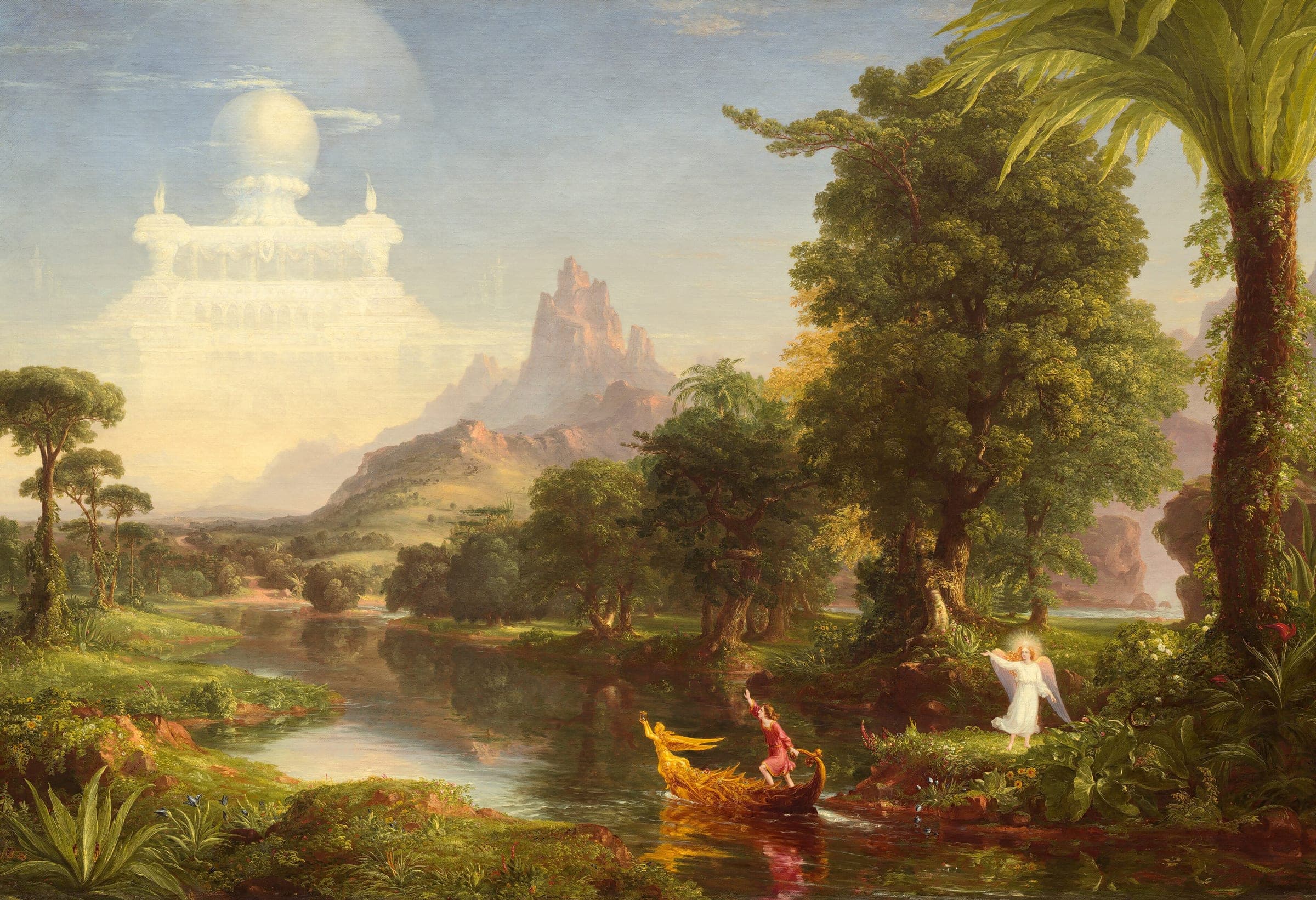
Thomas Cole, The Voyage of Life: Youth, 1842

VIII.Goals

The Horizon

  1. I.

    Build Soda Road.

    The foundation. Everything else on this list is built on it.

  2. II.

    Visit every country in Europe.

    17 of 44 down so far. The UK counts as one.

  3. III.

    Clone my dog, Barnabus.

    One of him isn't enough.

Pl. V — Thomas Cole, The Voyage of Life: Youth, 1842 · National Gallery of Art, Washington